
Exploring the realm of Northern Home Improvement Solutions for Harsh Weather Conditions, this guide offers a comprehensive look at fortifying homes against the elements. From roofing upgrades to insulation strategies, discover key insights to safeguard your home in extreme weather conditions.
Delve into the nuances of weatherproofing your home with expert tips and recommendations tailored for northern regions, ensuring your living space remains resilient and secure.
Northern Home Improvement Solutions for Harsh Weather Conditions
Living in northern regions exposes homes to a variety of harsh weather conditions that can take a toll on traditional structures. It is essential to prepare homes adequately to withstand extreme weather challenges and ensure the safety and comfort of residents.
Common Harsh Weather Conditions in Northern Regions
- Heavy snowfall leading to roof collapses
- Freezing temperatures causing burst pipes
- Strong winds and ice storms damaging exteriors
- Extreme cold affecting energy efficiency
Importance of Preparing Homes for Extreme Weather Challenges
Proper preparation can prevent costly damages and ensure the longevity of the home. Insulating walls, sealing windows, and reinforcing roofs are crucial steps to protect the house from harsh weather conditions.
Impact of Harsh Weather on Traditional Homes in Northern Areas
- Older homes may have inadequate insulation
- Weakened structures due to repeated exposure to extreme weather
- Higher energy bills due to poor energy efficiency
Key Considerations for Home Improvements in Harsh Weather Conditions
- Investing in high-quality insulation materials
- Ensuring proper ventilation to prevent moisture buildup
- Choosing durable roofing materials resistant to snow and ice
- Installing storm-proof windows and doors
Roofing Upgrades
High-quality roofing materials play a crucial role in northern climates where harsh weather conditions are common. These materials are essential for protecting homes from heavy snow loads, ice dams, and extreme temperature fluctuations.
Types of Roofing Options
- Metal Roofs: Known for their durability and ability to shed snow easily.
- Asphalt Shingles: Affordable and widely used, but may require additional reinforcement for heavy snow loads.
- Slate or Tile Roofs: Provide excellent insulation and can withstand severe weather conditions.
Inspecting and Reinforcing Roofs
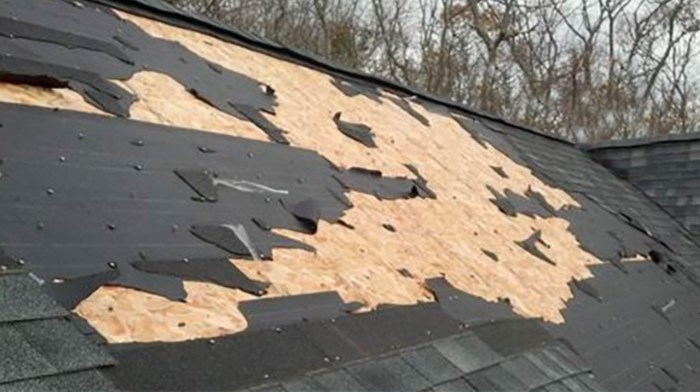
Regular roof inspections are crucial to identify any damage or weak spots that need reinforcement. This includes checking for loose shingles, damaged flashing, and signs of water infiltration.
Tips for Maintaining Roof Lifespan
- Clean gutters and downspouts regularly to prevent ice dams.
- Trim overhanging branches to avoid damage from falling limbs.
- Remove snow buildup with a roof rake to prevent excess weight.
- Ensure proper attic ventilation to prevent ice dams and moisture buildup.
- Schedule professional roof inspections and repairs as needed to address any issues promptly.
Insulation and Energy Efficiency
Insulation plays a crucial role in keeping homes warm and energy-efficient, especially in cold climates like those found in northern regions. Proper insulation helps to maintain a consistent indoor temperature, reduce energy consumption, and lower heating costs.
Benefits of Energy-Efficient Windows and Doors
Energy-efficient windows and doors are key components in improving the overall energy efficiency of a home in harsh weather conditions. These upgrades help to prevent heat loss, reduce drafts, and enhance the overall comfort of the living space. By investing in high-quality windows and doors with proper insulation, homeowners can significantly lower their energy bills and create a more sustainable living environment.
Best Practices for Sealing Gaps and Preventing Heat Loss
To maximize insulation and energy efficiency, it is essential to seal any gaps or cracks in the walls, windows, doors, and other areas where heat loss can occur. Weather-stripping, caulking, and adding insulation to attics and crawl spaces are effective methods to prevent heat from escaping during the winter months.
By addressing these areas, homeowners can ensure that their homes remain warm and comfortable while reducing energy waste.
Innovative Insulation Solutions for Harsh Weather Conditions
Innovative insulation solutions tailored for harsh weather conditions include advanced materials such as spray foam insulation, rigid foam boards, and reflective barriers. These products offer superior thermal performance and moisture resistance, making them ideal for northern climates where extreme temperatures are common.
By investing in these innovative insulation solutions, homeowners can improve the energy efficiency of their homes and create a more sustainable living environment.
Exterior Maintenance and Landscaping
Proper exterior maintenance is crucial for protecting homes from the harsh weather elements commonly found in northern regions. Neglecting exterior upkeep can lead to costly damage and reduce the overall lifespan of a property.
Landscaping Strategies for Resilience
Landscaping can play a significant role in enhancing the resilience of a home in northern regions. By strategically planting trees, shrubs, and other vegetation, homeowners can create natural windbreaks, improve insulation, and prevent snow drifts that can cause structural damage.
- Planting evergreen trees and shrubs strategically around the perimeter of the house can help block cold winds and create a barrier against snow accumulation near the foundation.
- Using native plants that are well-adapted to the local climate can reduce the need for excessive watering and maintenance, while also promoting biodiversity in the ecosystem.
- Implementing hardscaping features such as permeable paving, rain gardens, and retaining walls can help manage water runoff and prevent erosion, especially during heavy rainfall or snowmelt.
Impact of Snow Buildup
Snow buildup on driveways, walkways, and outdoor structures can pose a variety of challenges for homeowners in northern regions. Excessive snow accumulation can lead to safety hazards, structural damage, and increased heating costs.
- Regularly shoveling snow and removing ice from driveways and walkways can prevent slips and falls, as well as reduce the risk of damage to concrete surfaces.
- Ensuring that outdoor structures, such as decks, patios, and roofs, are designed to withstand heavy snow loads can minimize the risk of collapse and prolong their lifespan.
- Installing heated driveways or roof de-icing systems can help melt snow and prevent ice dams, which can cause water damage to the interior of a home during thaw cycles.
Importance of Proper Drainage Systems
Proper drainage systems are essential for preventing water damage to homes during thaw cycles in northern regions. Melting snow and ice can quickly accumulate and create pools of water that may seep into foundations, basements, and crawl spaces.
- Installing gutters, downspouts, and French drains can help redirect water away from the foundation of the house and prevent basement flooding during periods of heavy precipitation.
- Ensuring that downspouts extend at least 3-4 feet away from the house can further reduce the risk of water infiltration and soil erosion near the foundation.
- Regularly inspecting and maintaining drainage systems, including clearing debris and repairing leaks, can help ensure optimal performance and prevent water-related issues in the long run.
Conclusion
In conclusion, Northern Home Improvement Solutions for Harsh Weather Conditions equips you with the knowledge to enhance your home's durability and comfort amidst challenging weather patterns. Implement these strategies to create a safe haven that withstands the harshest of conditions with ease.
Question Bank
How can I protect my home from heavy snow loads on the roof?
To protect your home from heavy snow loads, consider reinforcing your roof with sturdy materials and regular inspections to prevent any structural damage.
What are the benefits of energy-efficient windows in cold climates?
Energy-efficient windows help in retaining heat during winter, reducing energy costs and enhancing overall comfort within your home.
How can landscaping enhance the resilience of a home in northern regions?
Strategic landscaping can act as a barrier against harsh weather elements, protecting your home and increasing its durability over time.
Why is proper drainage essential for preventing water damage during thaw cycles?
Effective drainage systems ensure that excess water is diverted away from your home, preventing potential water damage and mold growth during thaw cycles.