Exploring ways to improve energy efficiency in northern homes is crucial for both cost savings and environmental impact. From insulation upgrades to energy-efficient heating systems, these ideas are designed to elevate your home's sustainability in colder regions. Let's delve into the world of Northern Home Improvement Ideas for Energy Efficiency and discover how simple changes can make a significant difference.
Northern Home Insulation Upgrades
Proper insulation is crucial for northern homes to ensure energy efficiency and comfort. In colder climates, insulation helps to retain heat inside the house, reducing the need for constant heating and lowering energy bills.
Types of Insulation Suitable for Cold Climates
- Spray Foam Insulation: This type of insulation creates an airtight seal, preventing heat loss and drafts. It has a high R-value, providing excellent thermal resistance.
- Fiberglass Insulation: Fiberglass is a popular choice for insulation due to its affordability and effectiveness. It is easy to install and offers good thermal performance.
Energy Efficiency Benefits of Spray Foam vs. Fiberglass Insulation
- Spray Foam Insulation: Offers superior energy efficiency by sealing gaps and cracks, reducing air leakage, and providing a higher R-value per inch compared to fiberglass insulation.
- Fiberglass Insulation: While cost-effective, fiberglass insulation may not provide the same level of air sealing and can be less effective in extreme cold temperatures compared to spray foam insulation.
Energy-Efficient Heating Systems
When it comes to heating systems for northern homes, opting for energy-efficient options can make a significant difference in reducing utility costs and environmental impact.
Most Effective Heating Systems
- One of the most effective heating systems for northern homes is a high-efficiency furnace. These units are designed to maximize heat output while minimizing energy consumption, making them a cost-effective choice in the long run.
- Heat pumps are another popular choice for energy-efficient heating. They can extract heat from the outside air, even in cold temperatures, and distribute it throughout your home efficiently.
- Radiant floor heating systems are also worth considering for their ability to provide consistent and comfortable warmth while using energy more efficiently than traditional forced-air systems.
Programmable Thermostat Benefits
Installing a programmable thermostat can help save energy by allowing you to set specific temperature levels for different times of the day. This means you can adjust the heating system to run less when you're not at home or during the night, reducing unnecessary energy consumption.
Tips for Optimizing Heating Systems
- Regular maintenance is key to ensuring your heating system operates efficiently. Make sure to schedule annual tune-ups to keep it running smoothly.
- Seal any air leaks in your home to prevent heat loss and maximize the effectiveness of your heating system. Proper insulation and weather-stripping can make a big difference.
- Consider zoning your heating system to heat specific areas of your home only when needed. This can help reduce energy waste in unused spaces.
Winter-Ready Windows and Doors
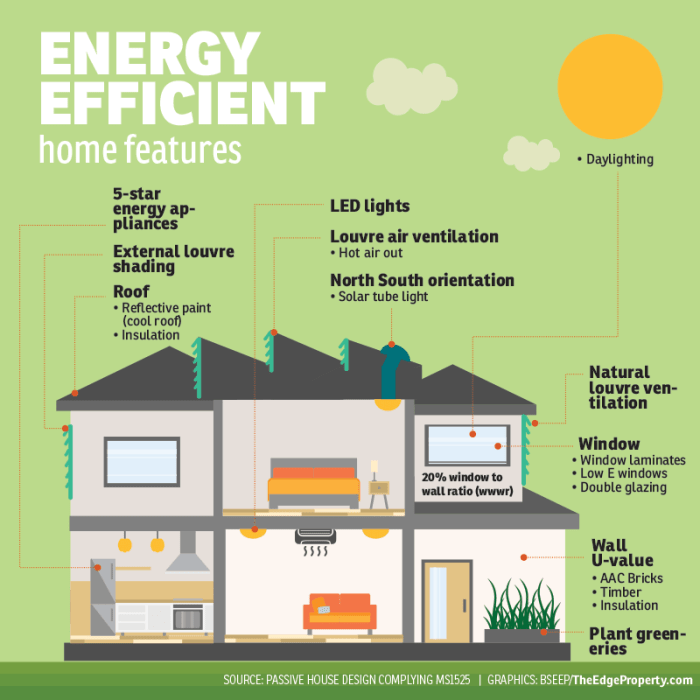
In cold climates, having energy-efficient windows and doors is crucial to maintaining a comfortable indoor temperature and reducing energy costs. Properly insulated windows and doors can help prevent heat loss and drafts, keeping your home warm during the winter months.
Materials Ideal for Winter-Ready Windows and Doors
- High-quality vinyl: Vinyl windows and doors are durable, low-maintenance, and provide excellent insulation.
- Fiberglass: Fiberglass windows and doors are strong, energy-efficient, and have a longer lifespan compared to other materials.
- Wood with a thermal break: Wooden windows and doors with a thermal break offer a classic look while providing good insulation properties.
Benefits of Double or Triple-Pane Windows for Energy Efficiency
Double or triple-pane windows have multiple benefits when it comes to energy efficiency:
- Improved insulation: The additional layers of glass and gas-filled spaces between panes help reduce heat transfer, keeping your home warmer in winter.
- Reduced condensation: Double or triple-pane windows are less likely to experience condensation buildup, which can lead to mold and mildew issues.
- Noisy reduction: The extra layers of glass can also help reduce noise from the outside, creating a quieter and more peaceful indoor environment.
Cold Climate Landscaping for Energy Efficiency
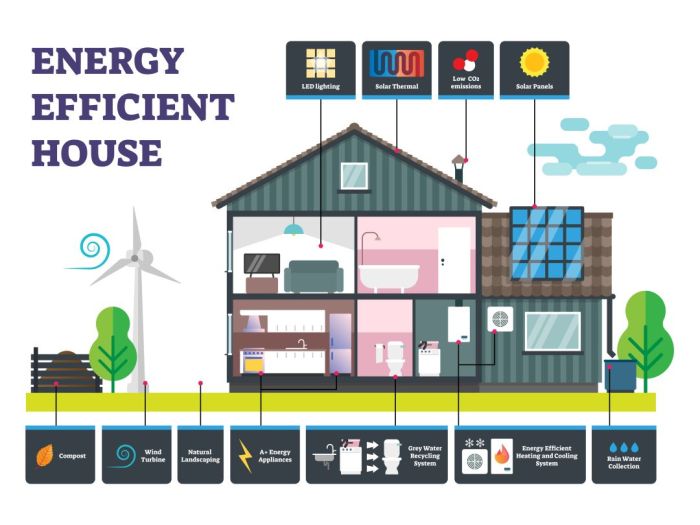
When it comes to energy efficiency in a northern home, landscaping plays a crucial role in keeping the house well-insulated. By strategically planting trees and shrubs, homeowners can create a barrier against cold winds and reduce heating costs significantly.
Windbreaks and Their Energy-Saving Potential
Windbreaks are rows of trees or shrubs strategically planted to block or redirect the wind, creating a shield around the home.
- Windbreaks can reduce heating costs by up to 30% by minimizing heat loss through walls and windows.
- They also create a microclimate that can protect the home from extreme cold temperatures.
- Evergreen trees are ideal for windbreaks as they provide year-round protection.
Placement of Trees and Shrubs to Reduce Heating Costs
Strategic placement of trees and shrubs can help optimize energy efficiency in a northern home.
- Planting trees on the north and northwest sides of the house can block cold winter winds.
- Shrubs near the foundation can act as an additional layer of insulation, reducing heat loss.
- Deciduous trees planted on the south side can provide shade in the summer and allow sunlight to warm the house in the winter.
Conclusion
In conclusion, implementing these Northern Home Improvement Ideas for Energy Efficiency can not only enhance the comfort of your living space but also contribute to a greener environment. By prioritizing energy efficiency, you are taking a proactive step towards reducing your carbon footprint and saving on utility costs.
Embrace these ideas and transform your home into a beacon of sustainability in the north.
Quick FAQs
What are the benefits of using spray foam insulation over fiberglass insulation?
Spray foam insulation provides a superior air seal, better moisture control, and higher R-value compared to fiberglass insulation, making it more energy-efficient in cold climates.
How can windbreaks contribute to energy efficiency in a northern home?
Windbreaks act as barriers to reduce wind chill around your home, thereby lowering heating costs and enhancing overall energy efficiency during winter.
Why is it important to optimize a heating system for energy efficiency?
Optimizing a heating system ensures that it operates at peak performance, reducing energy wastage and lowering utility bills in the long run.