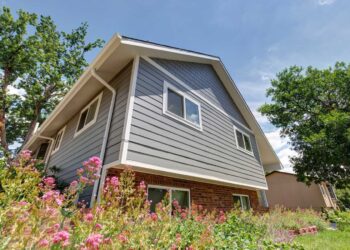

Delving into the realm of eco friendly siding options, this article aims to shed light on sustainable choices that benefit both the environment and homeowners. From energy efficiency to aesthetic appeal, eco-friendly siding materials offer a plethora of advantages worth exploring.
 .
.
Benefits of Eco-Friendly Siding Options
Eco-friendly siding options offer a range of benefits that not only contribute to a healthier environment but also provide advantages for homeowners in terms of energy efficiency and durability.Environmental Advantages
Using eco-friendly siding options helps reduce the negative impact on the environment compared to traditional materials. These sustainable materials are often made from recycled or renewable resources, resulting in lower carbon emissions and reduced waste production during manufacturing.Contribution to Energy Efficiency
Eco-friendly siding options are designed to enhance the insulation of homes, leading to improved energy efficiency. By minimizing heat loss in winter and heat gain in summer, these siding materials can help homeowners reduce their energy consumption for heating and cooling, ultimately lowering utility bills.Durability Comparison
When comparing the durability of eco-friendly siding options with traditional materials, it is essential to consider the longevity and maintenance requirements. Many eco-friendly siding options are known for their resilience against harsh weather conditions, pests, and rot, resulting in a longer lifespan and reduced need for frequent repairs or replacements.Types of Eco-Friendly Siding Materials
When it comes to eco-friendly siding materials, there are several popular options that offer both sustainability and aesthetic appeal. Let's explore some of the common eco-friendly siding materials and their characteristics.Reclaimed Wood
Reclaimed wood siding is a popular choice for those looking to add a rustic and natural look to their homes. This type of siding is sourced from old barns, warehouses, or other structures, giving it a unique and weathered appearance. While reclaimed wood is visually appealing, it does require regular maintenance to preserve its integrity. This includes periodic sealing and staining to protect it from the elements and prevent rot.Fiber Cement
Fiber cement siding is a durable and low-maintenance option that is made from a mixture of wood pulp, cement, and sand. This material is known for its longevity and resistance to rot, pests, and fire. Fiber cement siding comes in a variety of textures and colors, allowing homeowners to achieve different looks such as wood grain or smooth finishes. While fiber cement siding requires less maintenance than wood, it may need to be repainted every few years to maintain its appearance.Engineered Wood
Engineered wood siding is made from wood fibers, wax, and resin, creating a stable and durable material that mimics the look of natural wood. This type of siding is available in various styles, including lap siding, panel siding, and shingles, providing homeowners with flexibility in design. Engineered wood siding is easy to install and typically requires less maintenance than traditional wood siding. However, it may still need occasional painting or staining to keep it looking fresh.Cost Considerations and Return on Investment
When considering siding options for your home, it's essential to factor in the initial cost as well as the long-term savings and potential return on investment. Eco-friendly siding materials may have a higher upfront cost compared to conventional materials, but the benefits over time can outweigh the initial expenseInitial Cost Differences
While eco-friendly siding materials like reclaimed wood, fiber cement, or metal may have a higher initial cost than traditional vinyl or aluminum siding, the durability and energy efficiency they offer can result in lower maintenance and replacement costs in the long run.Long-Term Energy Savings
Eco-friendly siding options are often more energy-efficient, providing better insulation for your home. This can lead to reduced energy consumption for heating and cooling, resulting in lower monthly utility bills. Over time, the savings on energy costs can help offset the initial investment in eco-friendly siding.Increase in Property Value
Investing in eco-friendly siding can also increase the overall value of your property. Potential buyers are increasingly looking for sustainable and energy-efficient features in homes, making eco-friendly siding a desirable selling point. This can translate to a higher resale value and a better return on your investment in the future.Installation Process and Practical Considerations
When it comes to installing eco-friendly siding options, there are a few key factors to consider to ensure a successful and sustainable outcome. From choosing the right material for your climate to understanding the installation procedures, here are some practical considerations to keep in mind.Choosing the Right Eco-Friendly Siding Material
- Consider the climate and weather conditions in your area when selecting a siding material. Some materials may be better suited for hot and humid climates, while others are more appropriate for cold and wet environments.
- Research the sustainability of the material, including how it is sourced, manufactured, and its overall environmental impact. Look for certifications such as FSC (Forest Stewardship Council) or GreenGuard to ensure the eco-friendliness of the siding.
- Consult with a professional contractor or eco-friendly siding expert to determine the best material for your specific location and needs. They can provide valuable insights and recommendations based on their experience.
Installation Procedures and Techniques
- Prior to installation, ensure that the surface where the siding will be installed is clean, dry, and free of any debris or damage. This will help ensure a smooth and secure installation process.
- Depending on the type of eco-friendly siding material chosen, specific tools and techniques may be required for installation. For example, some materials may need to be cut or shaped in a certain way, while others may require special adhesives or fasteners.
- Follow manufacturer guidelines and recommendations for installation to ensure the longevity and performance of the siding. Improper installation can lead to issues such as warping, cracking, or water damage.