Siding remodel opens the door to a world of possibilities, where the exterior of your home can be transformed into a work of art. From choosing the right materials to understanding the installation process, this topic delves deep into the realm of home renovations.
As we embark on this journey, let's uncover the key aspects of siding remodel that will help you make informed decisions for your next project.
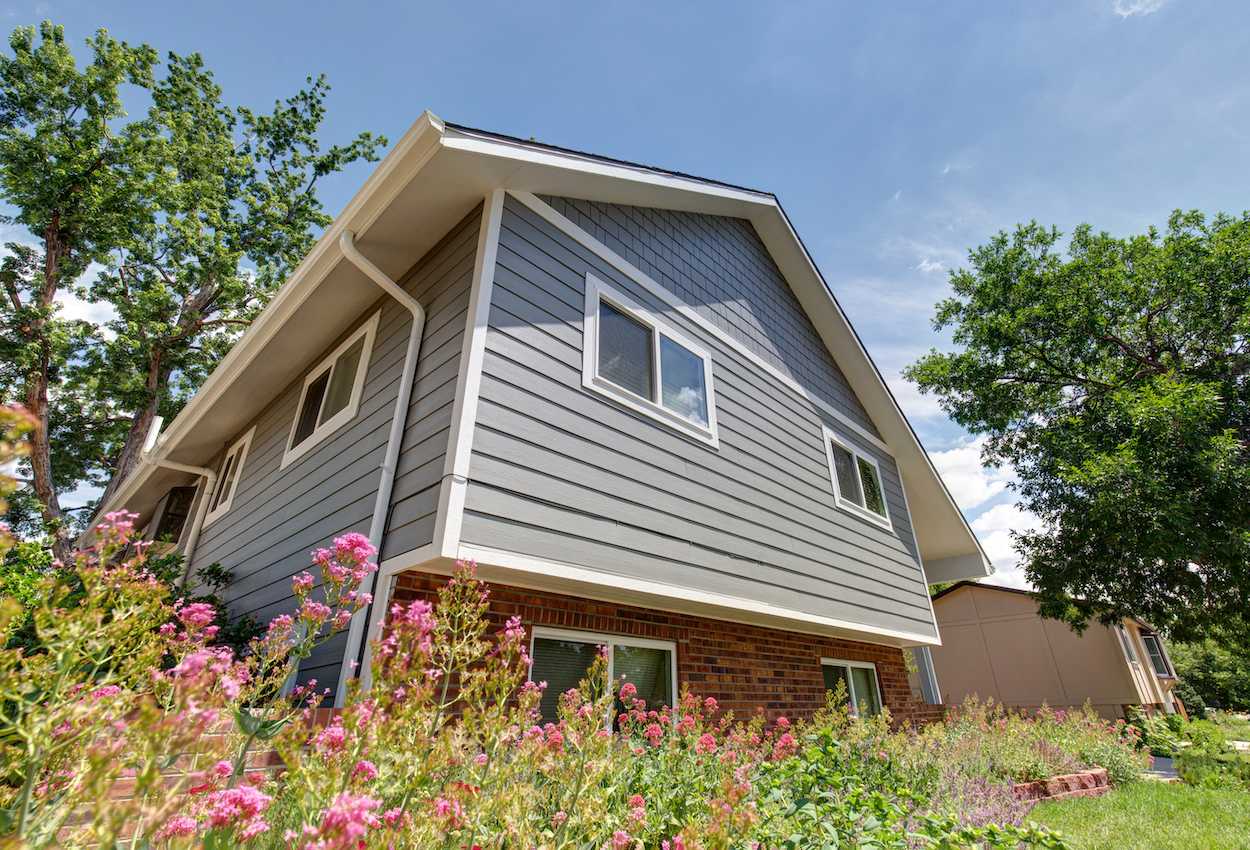
Types of Siding Materials
When it comes to a siding remodel project, choosing the right material is crucial. Here, we will compare and contrast different siding materials like vinyl, wood, fiber cement, and metal options commonly used in remodel projects.
Vinyl Siding
Vinyl siding is a popular choice due to its affordability, low maintenance, and versatility. It comes in a variety of colors and styles, making it easy to match any home's aesthetic. However, it may not offer the same level of durability as other materials.
Wood Siding
Wood siding provides a classic, natural look that many homeowners love. It offers excellent insulation and can last for decades with proper maintenance. However, it is more susceptible to rot, pests, and requires regular upkeep compared to other materials.
Fiber Cement Siding
Fiber cement siding is a durable option that can mimic the look of wood or stucco without the same level of maintenance. It is resistant to fire, rot, and pests, making it a long-lasting choice for homeowners. However, it can be heavier and more labor-intensive to install.
Metal Siding
Metal siding, such as steel or aluminum, is known for its strength and longevity. It is resistant to weather damage, pests, and fire, making it a low-maintenance option for homeowners. However, it may not offer the same aesthetic appeal as other materials and can be prone to dents or scratches.
Siding Design Considerations
When it comes to choosing the right siding design for your remodel, several factors need to be considered to ensure a cohesive and visually appealing result. From architectural style to color coordination and texture selection, each decision plays a crucial role in the overall aesthetic of your home.
Choosing the Right Siding Design Based on Architectural Style
When selecting a siding design, it's essential to take into account the architectural style of your home. Different architectural styles, such as modern, traditional, colonial, or farmhouse, have distinct characteristics that can influence the choice of siding. For example, a sleek and minimalistic design may complement a modern home, while a more intricate and detailed design could enhance the charm of a traditional or colonial-style house.
Importance of Color Coordination with Existing Exterior Elements
Color coordination is key when it comes to siding design. The color of your siding should complement and enhance the existing exterior elements of your home, such as the roof, trim, and landscaping. Consider the overall color palette of your home and choose a siding color that harmonizes with the surroundings.
A well-coordinated color scheme can create a cohesive and polished look for your remodel.
Tips on Selecting Textures and Patterns for a Visually Appealing Remodel
In addition to color, textures and patterns play a significant role in the visual impact of your siding remodel. Different textures, such as smooth, wood grain, or stucco, can add depth and interest to your home's exterior. Similarly, patterns like horizontal or vertical siding, board and batten, or shake siding can create unique and eye-catching design elements.
When selecting textures and patterns, consider the overall aesthetic you want to achieve and choose options that complement the style of your home
.
Siding Installation Process
Installing siding during a remodel is a crucial step to enhance the appearance and functionality of your home. Proper installation is essential to ensure the durability and efficiency of the siding. Below is a detailed step-by-step guide on how to install siding effectively.
Preparing the Exterior Surface
Before installing new siding, it is important to prepare the exterior surface properly. Here are the guidelines to follow:
- Clean the surface: Remove any dirt, debris, or old paint from the exterior walls to ensure a smooth and clean surface for the siding installation.
- Repair any damages: Inspect the exterior walls for any cracks, holes, or damages. Repair and replace any damaged areas to prevent moisture penetration.
- Apply a weather-resistant barrier: Install a weather-resistant barrier, such as house wrap, to provide an additional layer of protection against moisture and air infiltration.
Ensuring Proper Insulation and Weatherproofing
Proper insulation and weatherproofing are essential to maintain energy efficiency and protect your home from the elements. Here are some best practices to follow:
- Install insulation: Depending on the climate and type of siding, consider adding insulation to improve energy efficiency and thermal performance.
- Seal gaps and joints: Use caulking or sealant to seal any gaps or joints between the siding panels to prevent water infiltration and air leaks.
- Flashings and trim installation: Properly install flashings and trim around windows, doors, and corners to ensure a watertight seal and prevent water damage.
Maintenance and Care of Siding
Proper maintenance is crucial in extending the lifespan of your siding and keeping it looking great. Regular upkeep tasks can prevent damage and deterioration, saving you time and money in the long run.
Routine Maintenance Tasks
- Inspect your siding annually for any signs of damage, such as cracks, warping, or loose panels. Address any issues promptly to prevent further damage.
- Trim any vegetation near your siding to prevent mold growth and moisture retention.
- Pressure wash your siding at least once a year to remove dirt, grime, and mildew buildup.
- Repaint or reseal your siding as needed to maintain its protective coating and appearance.
Cleaning Different Types of Siding
Each type of siding material requires specific cleaning methods to avoid damage. Here are some tips for cleaning different siding materials:
| Siding Material |
Cleaning Method |
| Vinyl |
Use a mixture of water and mild detergent with a soft brush or cloth to scrub away dirt and stains. Rinse with water. |
| Wood |
Apply a wood cleaner with a soft brush, scrub gently, and rinse with water. Avoid using a pressure washer to prevent damage to the wood. |
| Brick |
Use a mixture of water and vinegar to scrub away dirt and stains. Rinse thoroughly with water. |
Common Issues and Solutions
- Mold and Mildew:Clean with a mixture of water and bleach to kill mold spores. Ensure proper ventilation to prevent future growth.
- Rotting Wood:Replace any rotted wood panels immediately to prevent further damage to your siding.
- Cracks and Gaps:Seal cracks and gaps with caulk to prevent water infiltration and potential structural damage.
Conclusive Thoughts
As we conclude our exploration of siding remodel, we are reminded of the transformative power it holds in enhancing the beauty and functionality of any home. With the right knowledge and guidance, your siding remodel project is sure to exceed expectations and leave a lasting impression.
FAQ Corner
What is the best siding material for harsh weather conditions?
For extreme weather, fiber cement siding is a durable option that can withstand harsh climates.
How often should siding be inspected for maintenance?
Regular inspections every 6 months can help catch any issues early and prevent costly repairs.
Can siding be painted to change the color?
Yes, many types of siding can be painted to give your home a fresh new look.